How to Choose the Right Corporate Event
A trivia night won't fix a strategy problem. A two-day offsite is overkill for a product update, and a pub lunch is a good time but not the place to get into the weeds of next year's objectives. Every format on the list below is good at something specific. Start with what you need the day to do, then build your work event from there.
The best formats are chosen with the actual team in mind, and the outcome the group is trying to achieve. That means knowing roughly how many people are coming and whether partners or interstate colleagues are included, what the budget per head looks like, and how much of the group is hybrid and meeting in person for the first time.
Against all of that, the one decision that makes the rest easier is naming what the event is for. Most corporate events do one of five jobs:
- Strategy and planning. Typically a small group needs to make decisions and leave with them written down.
- Whole-company alignment. Everyone hears the same thing at the same time, and gets to reset direction together in one room.
- Team connection. Building relationships that make the next six months of work easier.
- Reward and recognition. Marking a result, a milestone or a financial year, and saying so publicly.
- Wellbeing and reset. Taking the pace down deliberately after a heavy stretch.
Once you know what you want out of the event and who's attending, working out the best fit for the group becomes considerably more straightforward.
Corporate event ideas for strategy and planning
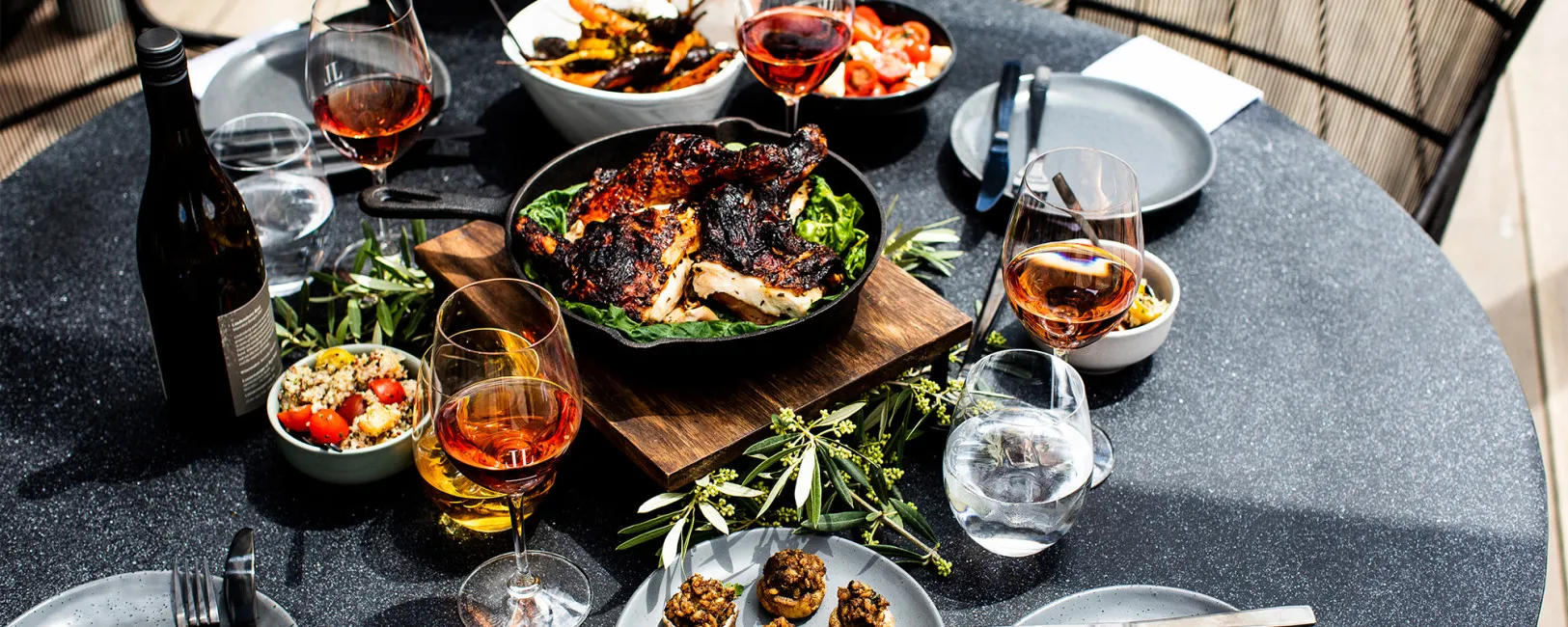
These are often small-group events with a concrete written outcome at the end. The format has to protect thinking time, which usually means fewer people and a longer runway. It also means stepping out of the usual setting: for busy leaders, a change of scenery does a lot to clear the distractions and keep everyone present and committed to the task in front of them.
Leadership offsite or strategy retreat
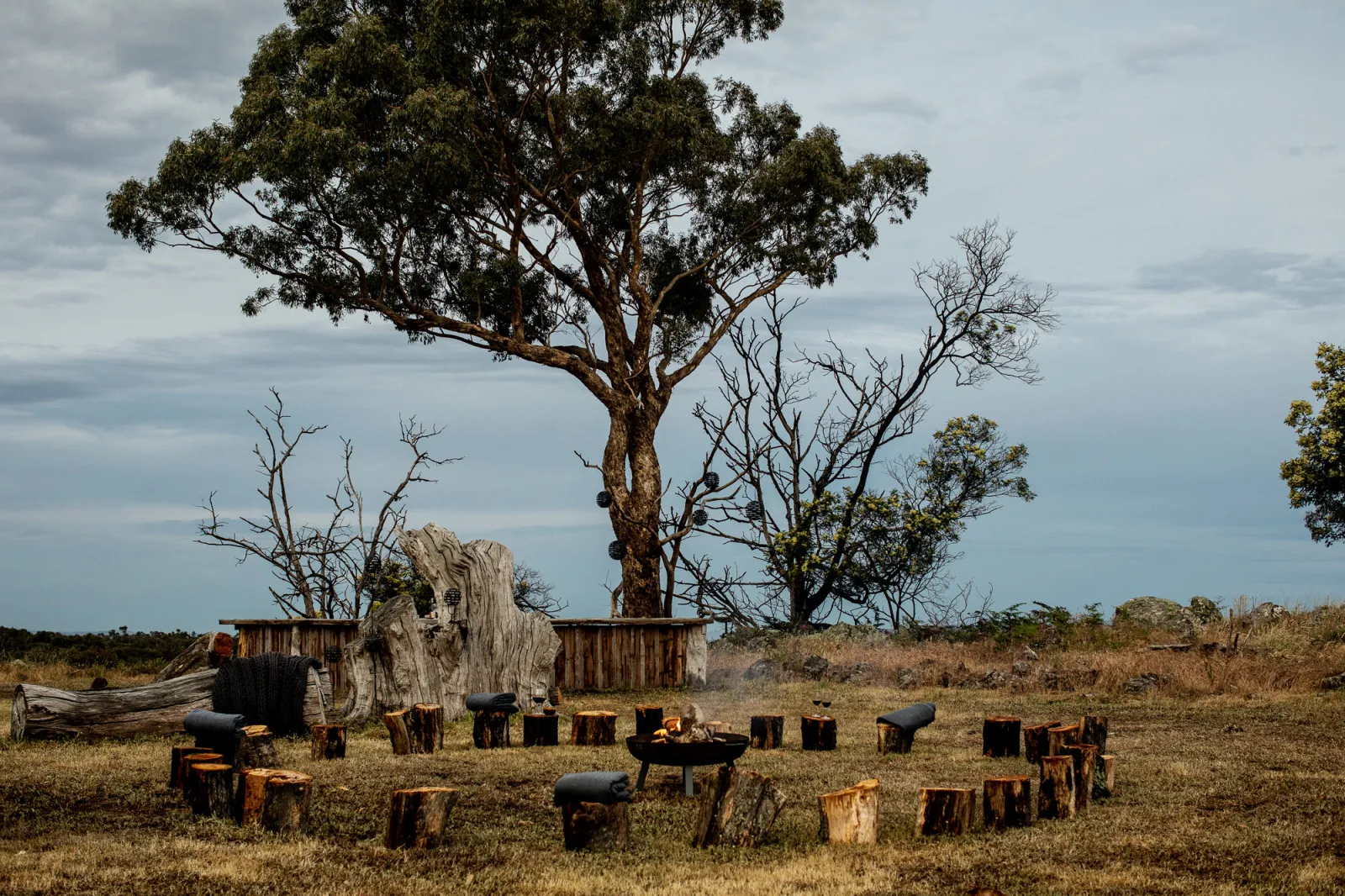
Anywhere from a single night to a full week, with the agenda built around three or four decisions rather than a run of presentations. The value here can often be found in the gaps: the walk after lunch, the drink before dinner, the conversation that happens without day-to-day distractions.
Tip: put the biggest issue early in the schedule. It gives your group time to work through it properly and come back to it once people have had time to sit with the initial suggestions.
The Homestead at Cleveland Estate in the Macedon Ranges is built for exactly this size of group: a private six-bedroom residence with its own boardroom for up to 12, lounges and a dining room, taken over exclusively for the duration. Groups larger than six can book additional rooms across the estate while keeping the Homestead as their main boardroom, so a team of 12 doesn’t need to share.
Suits: leadership teams, founders and executive groups of 6 to 12.
Planning day with a facilitator
A single day, off the premises, phones down, clear deliverables due by the end of your working day. The benefit of a facilitator is the objective view: someone whose job is running strategy sessions, with an objective stake in the outcome, who keeps the conversation moving, gives everyone a turn and makes sure something is actually decided before people leave. Book the room in cluster or U-shape rather than boardroom if you want more than the usual four people talking.
Suits: teams of 6 to 20, quarterly or annual planning.
Board or partner retreat
Privacy is the whole brief. Look for somewhere the group can have its own wing or take over the property in full, with dinner in a private dining room rather than a corner of a restaurant.
Lancemore Macedon Ranges was purpose-built for private corporate groups and can be taken over in full, with a private dining room for dinner and roundtables beside the vineyard or around the fire pit when the formal room has done its work.
Suits: boards, partnerships and executive committees.
Corporate event ideas for bringing the company together
Whole-of-company events carry a different opportunity to a strategy session. This is the chance to get the things that matter, business changes, growth areas, future goals and the targets attached to them, in front of the whole organisation in one go, and to make sure everyone leaves working to the same collective goal. Getting people from different offices and teams talking to each other is the other half of it.
Company-wide conference
A plenary opening, breakouts through the middle, meals built into the agenda rather than treated as a break from it. Running it overnight changes the feeling of the event completely: staying somewhere together gives the day a real sense of occasion, and teams tend to treat it that way as well.
It becomes something people genuinely look forward to, which does as much for buy-in as anything said from the stage. Events like this also say something about the company itself, and that carries into how the business is seen by the people it wants to hire and keep.
Tip: budget for the evening as carefully as you budget for the day. The dinner, the drinks and whatever is running after the plates are cleared are often the parts people remember most, so it's worth planning them with the same care as the daytime agenda.
Group size drives most of the other decisions. Under 50 people you can hold plenary and breakouts in adjacent rooms and keep everyone moving quickly. Above about 120, you need a dedicated plenary space, separate breakout rooms with their own AV, and enough accommodation on site that people aren't scattered across three properties.
Lancemore Mansion Hotel Werribee Park handles the larger end with nine flexible spaces and 91 rooms and suites, about 30 minutes from the CBD and the airport, which matters when interstate teams are flying in for a single night. Lancemore Macedon Ranges works at a similar scale with 72 rooms, and the Dining Room seats 160 theatre-style or 250 for a cocktail reception, so plenary and the evening function can share the one space with a turnaround between them.
Suits: 50 to 300 people, annual kick-offs, post-merger alignment and years where the company has changed shape.
Corporate event ideas for team connection

These are the events that make the next six months of work easier. The aim is simple: get people doing something together that isn't work, so the conversations that don't happen over email get a chance to happen in person.
Hands-on cooking session
Pasta, pizza or a dessert everyone can attempt. The group cooks one meal together and then sits down to eat it, which makes it a shared task rather than entertainment on the side. Cooking schools in most cities run corporate sessions, or the venue you're staying at may run its own.
Lancemore Macedon Ranges runs pasta making on site, and both Lindenderry Red Hill and Cleveland Estate run wood-fired pizza sessions.
Suits: 10 to 40 people, mixed ages, teams that include non-drinkers.
Cellar doors
Treat this as a shared experience rather than a drinks outing. A guided tasting, a blending session or a truffle hunt gives the group something to do together, followed by a long lunch and a driver home so no one is counting glasses. Any of Victoria's wine regions works for this within a day trip of Melbourne.
Lindenderry Red Hill runs truffle hunts and chocolate and wine pairing on the Mornington Peninsula, Cleveland Estate runs a private Macedon Ranges tour taking in two wineries and a gin and beer distillery, and Lancemore Milawa offers wine blending in the King Valley.
Suits: 8 to 30 people, food and wine minded teams, a change of scenery day.
Trivia night or scavenger hunt
The fun, not-too-serious option. Mix departments in the teams, keep the rounds short and have a prize worth arguing over. A scavenger hunt through the city or around the venue grounds works the same way and gets people moving. Both are easy to run in-house and cost very little.
Suits: any size, tight budgets, teams that haven't spent much time together in person.
Corporate event ideas for reward and recognition
Your team has worked hard. It's time to celebrate. These events mark a result, a milestone or the end of a financial year, and say thank you in a way people notice. The format should feel like an occasion, with the practical details handled so the team can enjoy it.
Awards night or gala dinner
Seated, formal, with a run sheet the room can rely on. Keep the awards segment tight, around an hour or so, and give the rest of the night over to dinner and drinks. A hotel ballroom, a heritage venue or a large marquee all work; the venue's own event team is worth using for the run sheet so no one on staff is managing it on the night.
Lancemore Mansion Hotel Werribee Park's Theatre, Pavilion and Marquee seat up to 280, with an in-house team on the run sheet and the 1870s mansion and gardens for a black-tie setting.
Suits: 80 to 300 people, end of year, milestone anniversaries.
EOFY celebration
A chance to close out the financial year before the new one starts and to thank the team for the numbers behind it. Most of the formats in the Work Christmas Party Ideas guide translate directly, from a long lunch to a hired-out events space, with June and July usually quieter to book than December.
Suits: any size.
Incentive or reward trip for a top-performing team
Overnight, regional, with downtime built in. The reward is the time away, so keep the agenda as light as possible: a shared dinner, one activity and a slow morning with a pool, a fireplace or a walk. Victoria's wine and high country regions make this possible without flights.
A night at Lindenderry Red Hill, Cleveland Estate or Lancemore Milawa fits this, with a Signature Experience in the evening such as stargazing at Lancemore Macedon Ranges or a historic cocktail evening at Werribee Park.
Suits: 6 to 20 people, sales teams, project teams that have delivered.
Corporate event ideas for wellbeing and reset
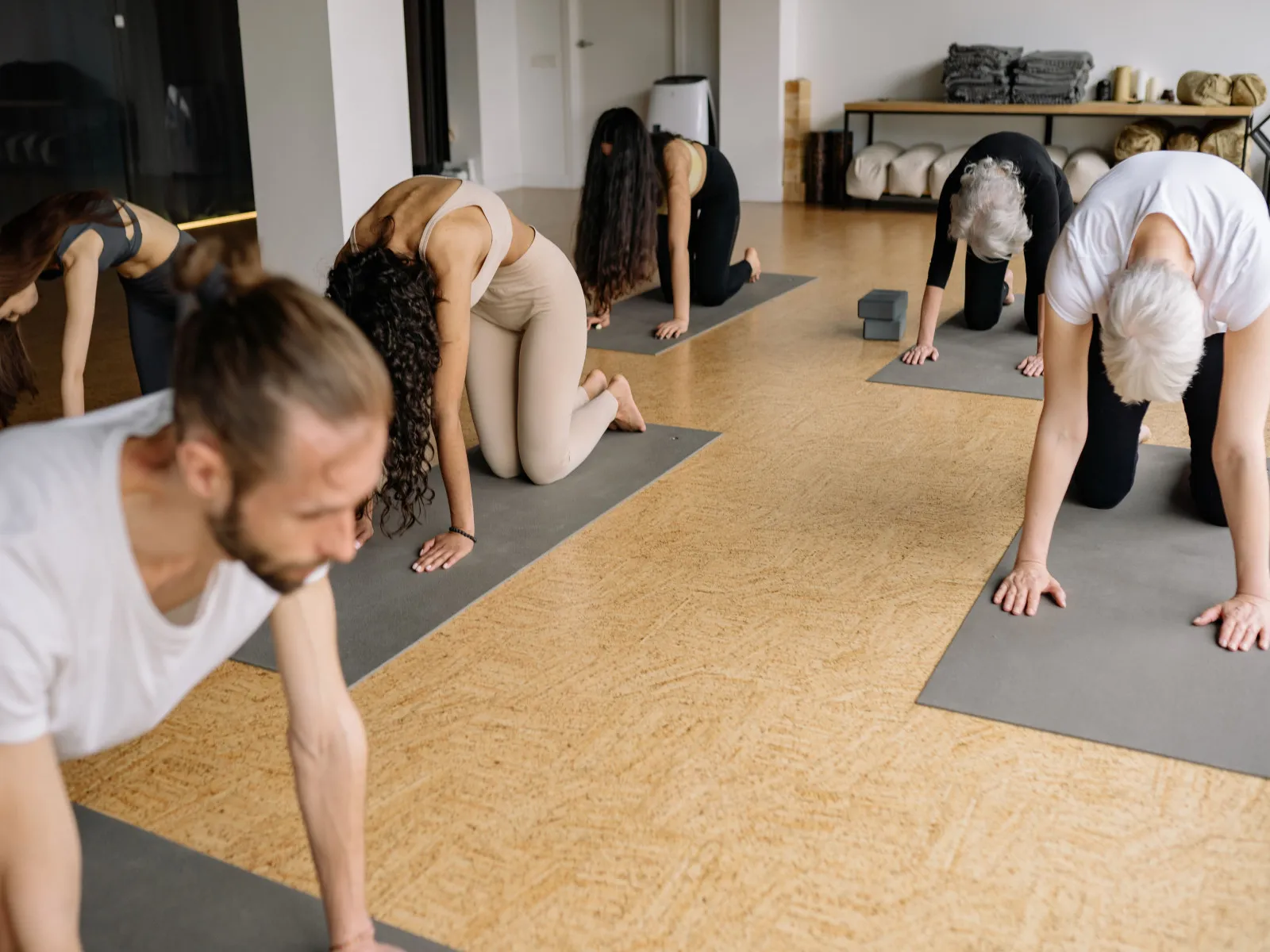
These events take the pace down on purpose, usually after a heavy stretch. The measure of success is how people feel on the Monday after, so the agenda should be short and the setting should do a lot of the work.
Wellness retreat
Yoga, breathwork, a guided walk and good food, with plenty of space between sessions. One to two nights somewhere quiet, ideally with the whole group in one place. Plenty of regional retreats and resorts run structured wellness programs, and a good venue will also let you bring in your own practitioners.
Lancemore Milawa in the King Valley is set up for exactly this, with sun-filled courtyards, a rooftop terrace and lounges made for quiet time, all against the Alpine foothills.
Suits: 8 to 30 people, teams coming off a heavy quarter.
Movement session
A yoga or pilates class, or a group walk, before the work day begins. It costs little, includes almost everyone and sets the tone for a conference day better than another coffee break.
Suits: any size.
Digital detox day
Phones in a basket at the door, no slides, and a day built around conversation and time outdoors. It works best as a single day for a small team or leadership group, with a shared meal at the end of it. Simple to run and easy to scale to your budget: it can be a walk and a picnic in a local park, or a full day away from the office with a team lunch and an activity built in.
Suits: any size.
Frequently asked questions
What are the main types of corporate events?
Most fall into five groups: strategy and planning sessions, whole-of-company gatherings like conferences and kick-offs, team connection days, reward and recognition events such as awards nights and EOFY functions, and wellbeing or reset days. Product launches and client events sit alongside these but follow different rules again, since the audience is external.
How far in advance should a corporate event be booked?
For a regional residential venue, three to six months is a reasonable window for a group of 20 to 80. Peak periods need longer: November through mid-December and the EOFY run in June and July tend to fill six to twelve months out, and the larger the group the earlier that deadline arrives.
What makes a good corporate offsite?
A short agenda with a defined output, a venue where the group isn't sharing space with strangers, and unstructured time that isn't apologised for. The conversations that make an offsite worthwhile usually happen at dinner or on a walk, so leave room for them.
Next steps
Purpose first, format second, setting third. That order holds whether you're planning a two-day leadership retreat for twelve people or an awards night for 280. The idea that looks best on paper is rarely the one that works hardest, and the one that works hardest is usually the one built around a clear answer to what the event is meant to change.
So before you start looking at dates and quotes, write one sentence describing what should be true after the event that isn't true now. If that sentence is about decisions, you want a small group and a short agenda. If it's about people knowing each other, you want a shared task and an overnight stay. If it's about recognising work already done, you want great food, a tight run sheet and somewhere people will be glad to have travelled to.
From there the practical decisions get easier. Confirm your headcount range and whether it includes partners or interstate colleagues. Set a per-head budget rather than a total, because it makes comparing options far quicker. Check the calendar for school holidays, reporting deadlines and the two or three weeks your team simply can't be away. Then start enquiring, allowing three to six months for a regional residential venue and longer for November, June and July.
If a residential format suits what you're planning, the team at Lancemore can talk through spaces, group sizes and how your ideal corporate event can be brought to life. Contact Lancemore to begin the process.